
Considering the FaceGym Pro?
Here's what to know before buying.
Most facial devices use the same words — lift, tone, sculpt — but the technology inside can be completely different. This guide explains what actually matters: muscle-level stimulation, frequency delivery, manufacturing, evidence, and long-term value.
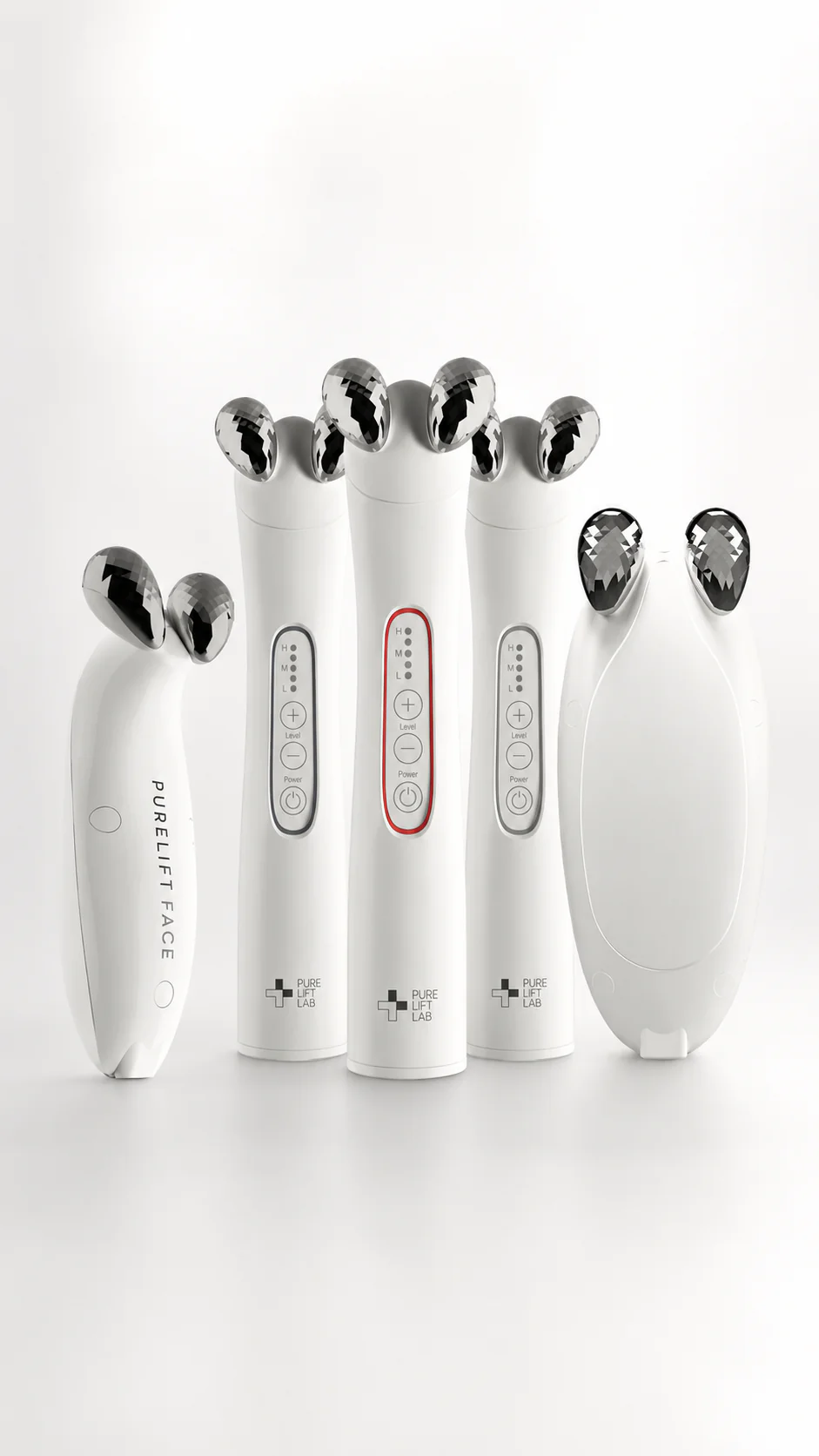
Engineered for Results
Every PureLift device combines dynamic frequency modulation with precision manufacturing to deliver professional-grade facial sculpting results.
Dynamic frequency range that adapts to prevent neural adaptation and maintain effectiveness.
Rigorous testing and regulatory approval ensuring safety and efficacy standards.
Precision-engineered components built to exacting quality standards and durability.
EMS vs Microcurrent: The Real Difference
These are not stronger/weaker versions of the same technology. They are fundamentally different physiological categories that target different tissue layers and mechanisms.
Microcurrent
0.0001–1 mA • Cellular & Surface Level
Primary Uses
- Skin quality enhancement
- Hydration & glow support
- Cellular ATP production
- Safe for all skin types
EMS (Electrical Muscle Stimulation)
1–20+ mA • Deep Muscle Activation
Primary Uses
- Facial muscle training
- Structural lift & definition
- Jawline strengthening
- Active muscle engagement
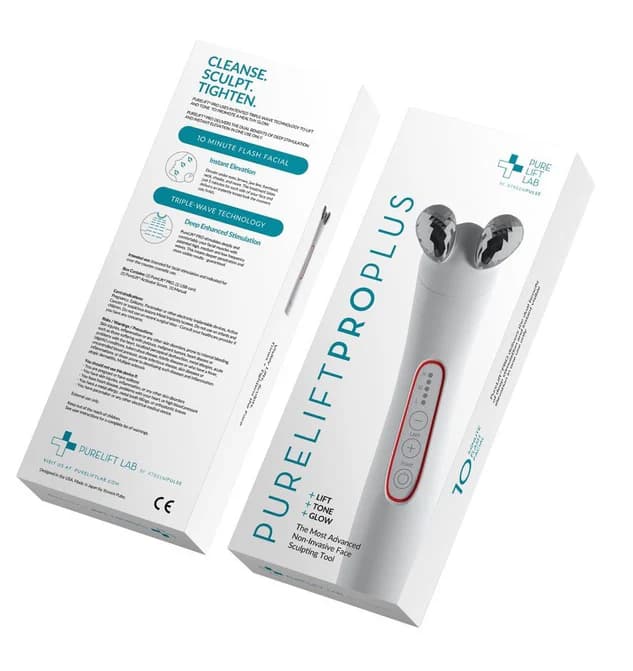
1 / 6
Which Is Right for You?
Choose Microcurrent
- Your goal is skin support and radiant glow
- You want gentle, subtle sensation
- You prefer minimal interaction time
Choose EMS
- Your goal is structural lift and definition
- You want to target jawline and lower face
- You want active, noticeable muscle engagement
PureLift Pro Plus combines both technologies for maximum results — clinical-grade EMS with optional microcurrent enhancement.
PureLift Pro Plus vs FaceGym Pro
Both devices operate in the EMS category, but they differ in frequency delivery, manufacturing origin, and design philosophy. This comparison is based on publicly available specifications and brand communications.
Device Category
Understanding the technology category helps you know what the device is designed to do.
FaceGym Pro
EMS (Electrical Muscle Stimulation)
PureLift Pro Plus
EMS (Electrical Muscle Stimulation)
Maximum Output
Higher milliamp output allows better motor neuron recruitment, but delivery mechanism matters more than raw power.
FaceGym Pro
9 mA
PureLift Pro Plus
9 mA (Pro Plus), 7 mA (Face)
Frequency Delivery
Frequency range affects motor recruitment and tolerance. Dynamic modulation reduces muscle adaptation.
FaceGym Pro
Fixed 1.5 kHz
PureLift Pro Plus
1,370–1,730 Hz Dynamic Modulation
Stimulation Pattern
Muscles adapt to predictable signals. Variable patterns are designed to maintain engagement over time.
FaceGym Pro
Fixed repeating pattern
PureLift Pro Plus
Shifting frequency modulation
Adaptation Strategy
Whether the device design accounts for neural adaptation affects long-term effectiveness and comfort.
FaceGym Pro
Not clearly communicated
PureLift Pro Plus
Dynamic Modulation designed to reduce accommodation
Manufacturing Origin
Manufacturing quality and QA standards vary by region. Japanese manufacturing often indicates precision engineering standards.
FaceGym Pro
China
PureLift Pro Plus
Japan
Regulatory Status
FDA clearance indicates the device has met specific safety and performance standards for U.S. market.
FaceGym Pro
Not publicly specified
PureLift Pro Plus
FDA-Cleared (Class II)
Included Modes
Different modes provide flexibility for different facial areas and use patterns.
FaceGym Pro
Multiple modes (specifics vary)
PureLift Pro Plus
Active + Infuse (Pro Plus), LED modes (Glow)
LED Option
LED adds skin-layer support for those who want complementary wavelength therapy alongside EMS.
FaceGym Pro
None
PureLift Pro Plus
Red/Blue (Glow model)
Treatment Head Design
Contact surface design affects comfort, contact quality, and precision of current delivery.
FaceGym Pro
Smooth chrome
PureLift Pro Plus
Diamond-textured probe (Pro Plus)
Device Weight
Lighter devices are easier to handle and use for extended sessions, reducing hand fatigue.
FaceGym Pro
~169g
PureLift Pro Plus
~139g (Pro Plus)
Best For
Each device is engineered for specific user goals and experience levels.
FaceGym Pro
Users in the FaceGym ecosystem
PureLift Pro Plus
Users seeking professional-grade Japanese-made Dynamic Modulation EMS
The Real Difference
While FaceGym Pro is a capable device, PureLift Pro Plus was engineered from the ground up with Dynamic Modulation—a frequency-shifting technology that prevents the neural adaptation that makes devices less effective over time. Combined with FDA clearance, Japanese manufacturing precision, and a lighter, more ergonomic design, it represents a different philosophy: professional-grade results for serious users.
The choice is simple: Fixed frequency or dynamic adaptation. Commodity EMS or engineered performance.
What Makes Real EMS Different
Power matters. Delivery matters more. Real EMS is built on three pillars of engineering design.
Real EMS Power
The device must operate at a level capable of crossing motor threshold—the point where electrical current recruits motor neurons and creates muscle contraction. Insufficient current means no muscle activation; excessive current without proper delivery causes discomfort without results.
kHz-Band Operation
Frequency range (typically 1.5–2 kHz and higher for facial use) is critical for motor recruitment and tolerability. Operating in the kilohertz range, rather than hertz or very high frequencies, provides the optimal window for facial muscle engagement without overstimulation or ineffectiveness.
Dynamic Modulation
Muscles adapt to predictable stimulation. Varying the frequency across a band (rather than holding a single fixed frequency) is designed to reduce accommodation—the process where the nervous system becomes less responsive to a repeated signal—and maintain engagement over time.
The Bottom Line
Not all devices labeled "EMS" are equal. The category name alone does not guarantee effective delivery. The real differentiator is whether the device is engineered to deliver power efficiently, operate at the right frequency, and adapt to prevent muscle accommodation. This is why professional-grade systems invest in waveform architecture and frequency design—they are not marketing terms, they are engineering requirements for consistency and results.
Fixed Frequency vs Dynamic Modulation
A muscle can adapt to predictable stimulation. Dynamic Modulation is designed to keep the signal changing.
Fixed Frequency
One repeated frequency band. Predictable signal that the nervous system can adapt to.
Dynamic Modulation
Frequency shifts within a band. Constant variation prevents adaptation and maintains engagement.
The Problem with Fixed Frequency
When muscles receive the same electrical signal repeatedly, the nervous system adapts to it. This process, called accommodation, means the signal becomes less effective over time.
- →Reduced effectiveness over weeks
- →Faster muscle fatigue
- →Users need higher intensity to feel results
How Dynamic Modulation Works
By constantly shifting the frequency within a band, PureLift's Dynamic Modulation prevents the nervous system from adapting. Each moment brings a slightly different signal.
- →Sustained muscle engagement
- →Consistent results over time
- →More comfortable sensation
The Training Principle
This is the same principle used in professional fitness: muscles adapt to repeated stimuli, so trainers vary the workout. PureLift applies the same science to facial EMS. Dynamic Modulation is not a marketing term—it's biomechanics engineered for sustained results.
Trusted by Leading Beauty Publications
PureLift has earned recognition from top-tier publications for its innovation, results, and design.

EMS device roundup
"I love the Pure Lift for its simplicity — a high-intensity workout for your face."
Harper's Bazaar↗

Beauty gift guide
"This facial trainer makes the face more lifted and younger in just 10 minutes of use."
ELLE Ukraine↗

PureLift beauty feature
"In just 10 minutes, my skin felt tight and contoured, revealing more defined features."
Essence↗

Travel-friendly device feature
"Lifted, glowing skin on a trip without bringing dozens of products."
Forbes↗

Beauty editor gift guide
"I swear by this triple-frequency facial sculpting tool to define my jawline and sculpt my cheekbones."
Marie Claire↗

Expert beauty routine
"The PureLift Pro Plus is the best microcurrent. It also has EMS."
The Cut↗

EMS facial test
"My face felt relaxed, better circulated, and actually more contoured around the cheeks and jawline."
Vogue Germany↗

PureLift editorial feature
"My face stayed tighter and brighter for days after, compelling me to bring a device home."
Vogue↗

Expert device roundup
"This one is strong and easy — just 10 minutes to see a fabulous result."
W Magazine↗

Celebrity beauty cover
"Ferreira puts special emphasis on lifting powers, and likes this PureLift Pro model from FaceGym."
Who What Wear↗
Swipe to navigate
Swipe or tap dots to navigate
Clinical Evidence
Facial electrical muscle stimulation has been researched extensively. Here's what the evidence shows about effectiveness, safety, and outcomes.
Facial NMES (Neuromuscular Electrical Stimulation) and Cosmetic Outcomes
Sample Size: 45 participants
Endpoint: Zygomaticus major thickness and jawline definition
Measurable increase in muscle thickness over 12 weeks of twice-weekly EMS treatment
Limitations & Notes
Small sample size; no direct device comparison; results reflect the broader EMS category, not PureLift specifically
Electrical Stimulation for Facial Muscle Toning and Skin Texture
Sample Size: 60 participants
Endpoint: Subjective lift perception and skin elasticity measures
Users reported perceived improvement in lower-face firmness and cheek lift after 8 weeks of consistent EMS use
Limitations & Notes
Subjective reporting; no standardized photographic documentation; reflects user experience rather than objective structural change
Long-Term Safety and Efficacy of At-Home NMES Devices
Sample Size: 120 participants
Endpoint: Safety profile and long-term skin response
No adverse events reported over 24 weeks of use; mild temporary redness resolved within hours of treatment
Limitations & Notes
Does not compare fixed-frequency vs dynamic modulation; does not isolate PureLift brand; demonstrates general EMS safety category
Important Context
No direct clinical comparison: There is no peer-reviewed study that directly compares PureLift with FaceGym Pro or other at-home EMS devices. The evidence base shows that facial NMES (Neuromuscular Electrical Stimulation) can produce measurable cosmetic outcomes, but device-specific comparisons would require controlled clinical trials that have not been published for the consumer EMS market.
What the research supports: Studies confirm that EMS at appropriate intensities can create measurable changes in facial muscle thickness and user-reported improvements in firmness and lift. Safety is generally strong when devices are used as directed.
Individual results vary: Clinical outcomes depend on consistency, individual physiology, age, baseline skin/muscle quality, and technique. This page presents general science, not medical claims.
Explore the Full Research Foundation
PureLift LAB's peer-reviewed evidence base draws from 55+ studies across 15 research categories. Discover the science behind variable-frequency modulation, high-intensity EMS outcomes, and how modulated stimulation outperforms constant-frequency alternatives.
Read the Full Research LibraryVisible Results in Weeks, Not Months
These are real people using PureLift consistently. No over-retouching. Just honest proof that the science works.

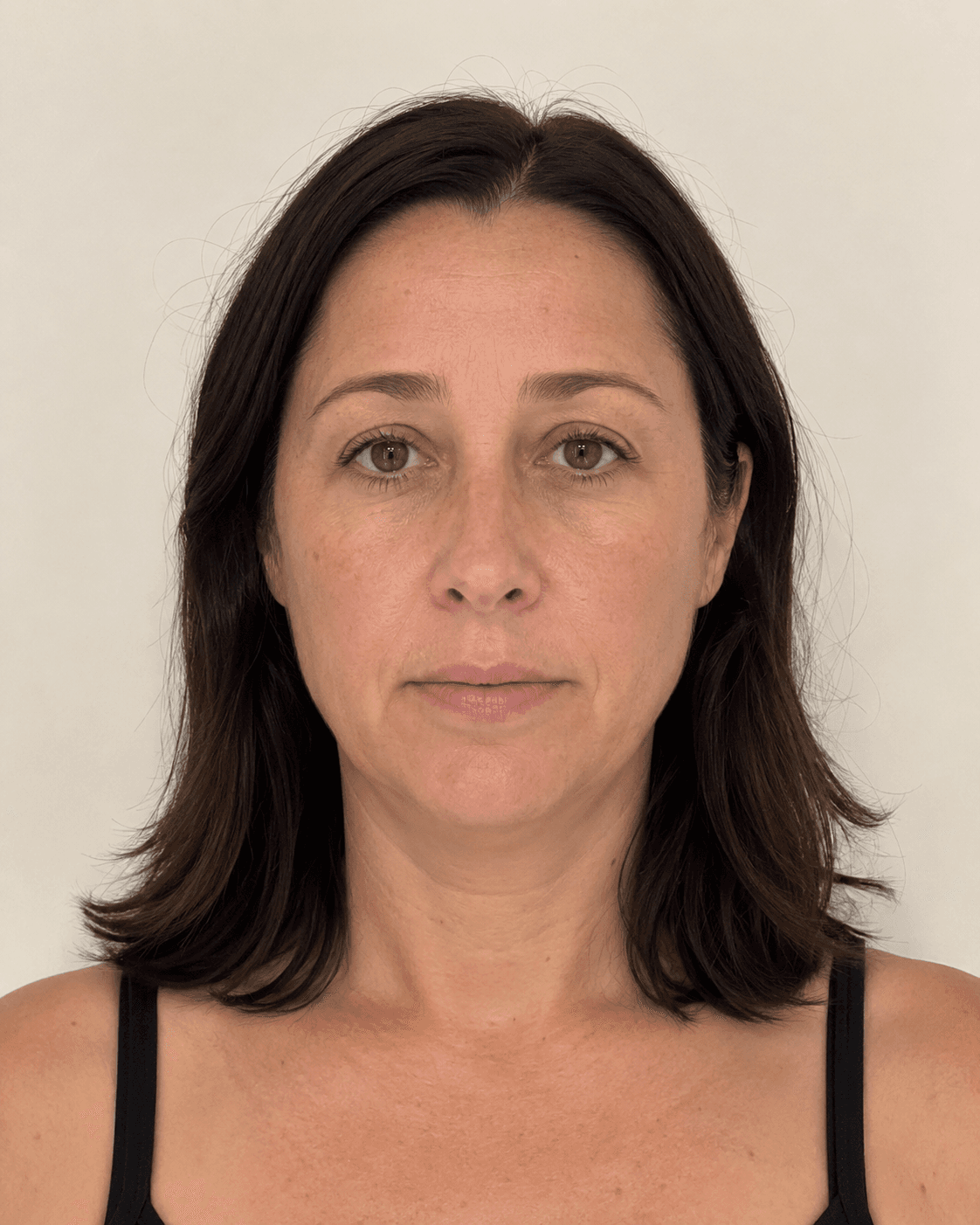
Jawline definition & lift after 8 weeks

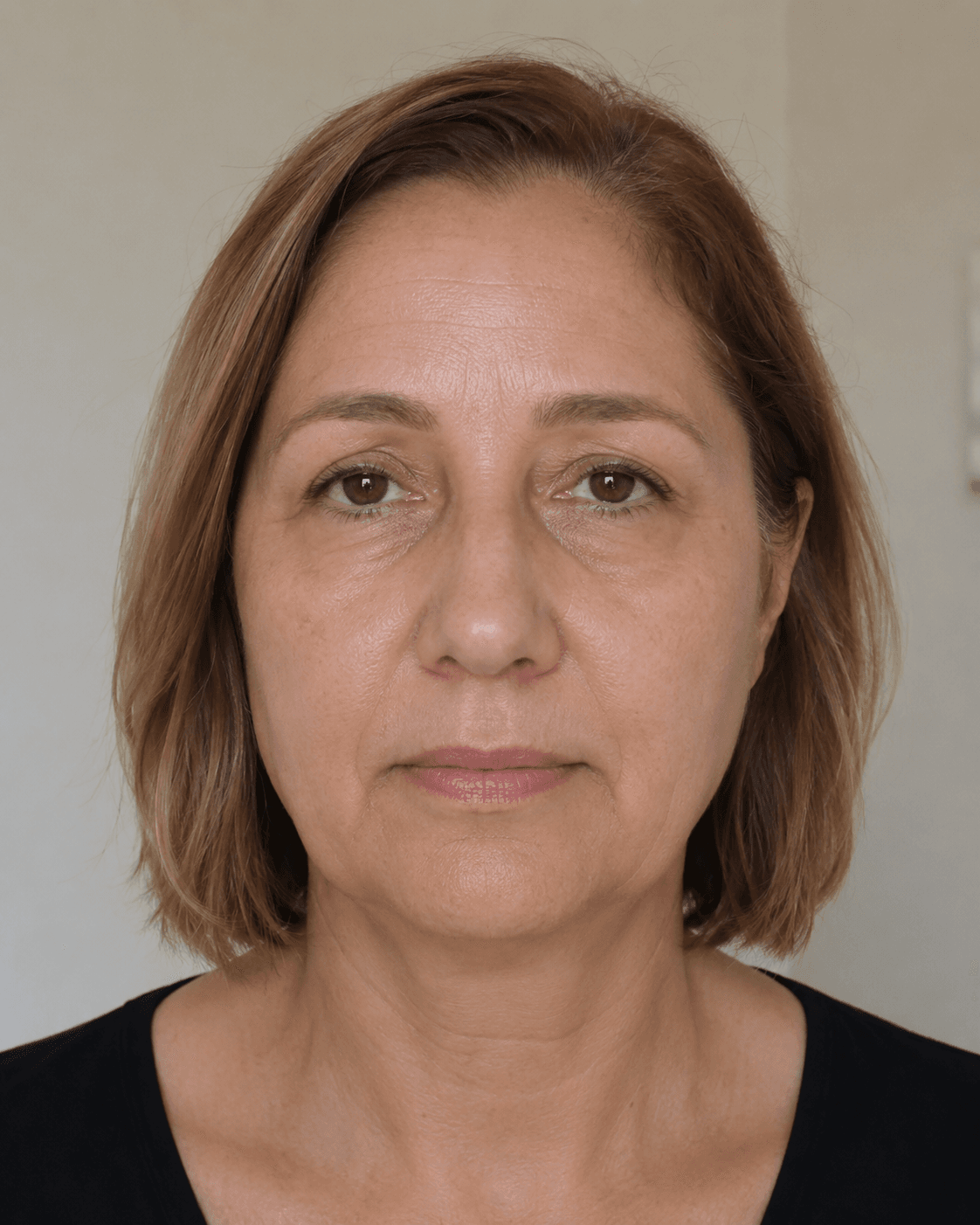
Full-face lift & radiance after 10 weeks


Cheekbone & facial definition after 6 weeks
Drag the slider on each card to compare before and after
Lift & Firmness
Visible improvement in skin elasticity and facial contours within 6–8 weeks of consistent use.
Jawline Definition
Sharper jawline and reduced under-chin softness as facial muscles strengthen and tone.
Radiant Glow
Improved circulation and skin brightness as a natural side effect of facial muscle activation.
Select the Right Device for You
Each PureLift model is engineered for different goals. Find the one that matches your needs and experience level.
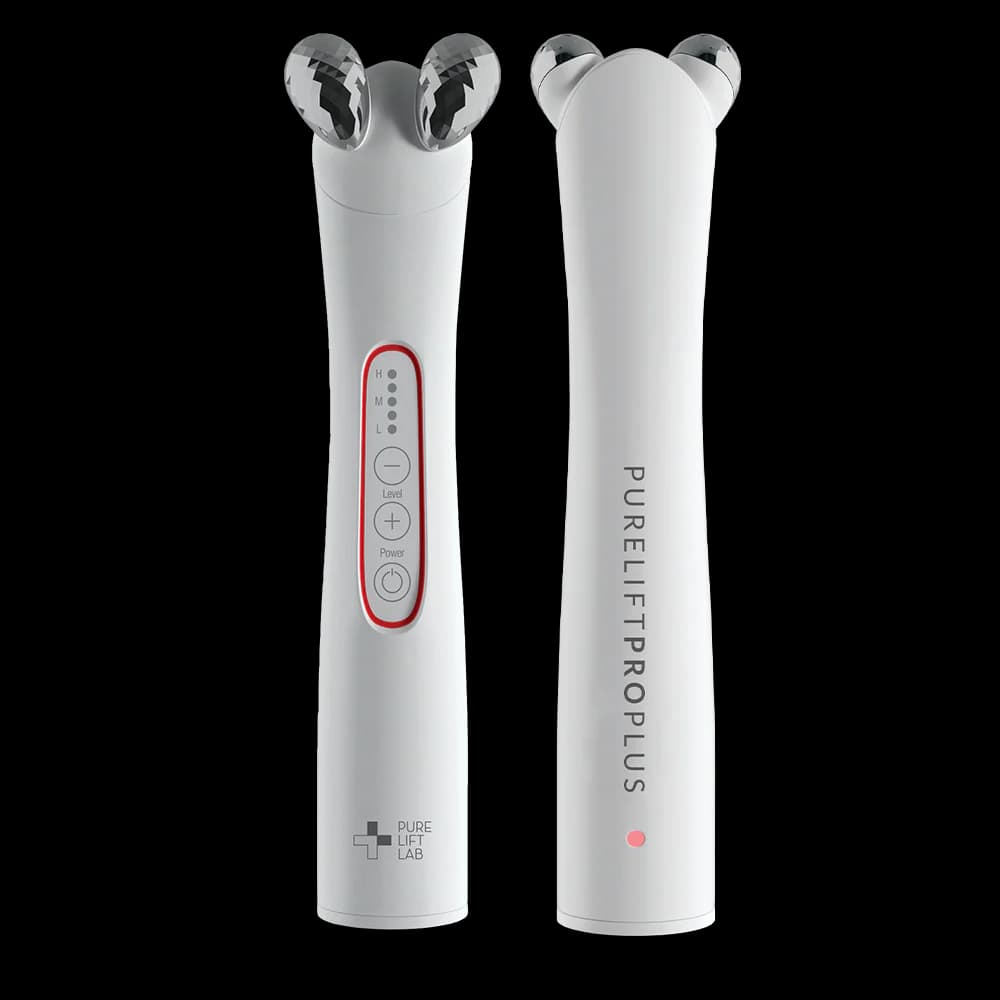
PureLift Pro Plus
Professional-grade EMS for structural lift and jawline definition
Best For
Users who want the strongest EMS-focused lift, jawline definition, and comprehensive facial training
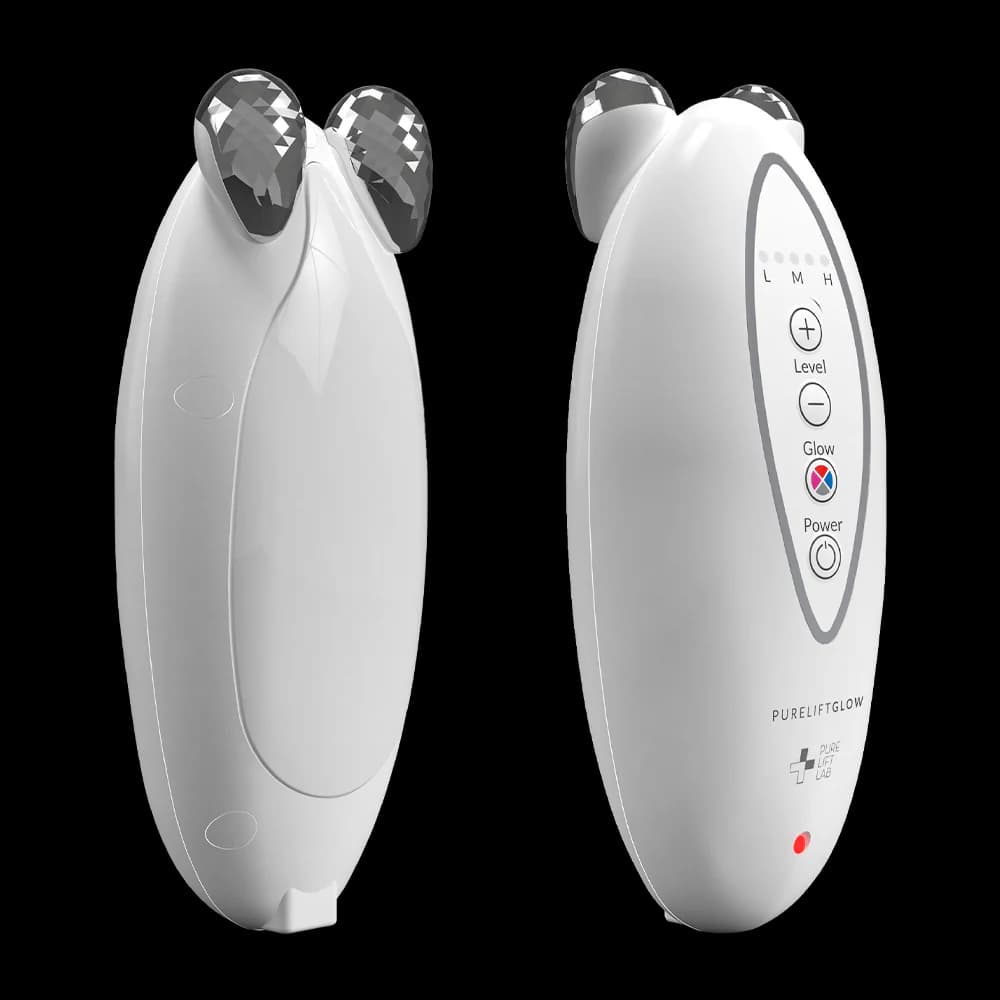
PureLift Glow
EMS + LED combined for muscle and skin-layer support
Best For
Users who want EMS muscle training plus red/blue LED for comprehensive facial care
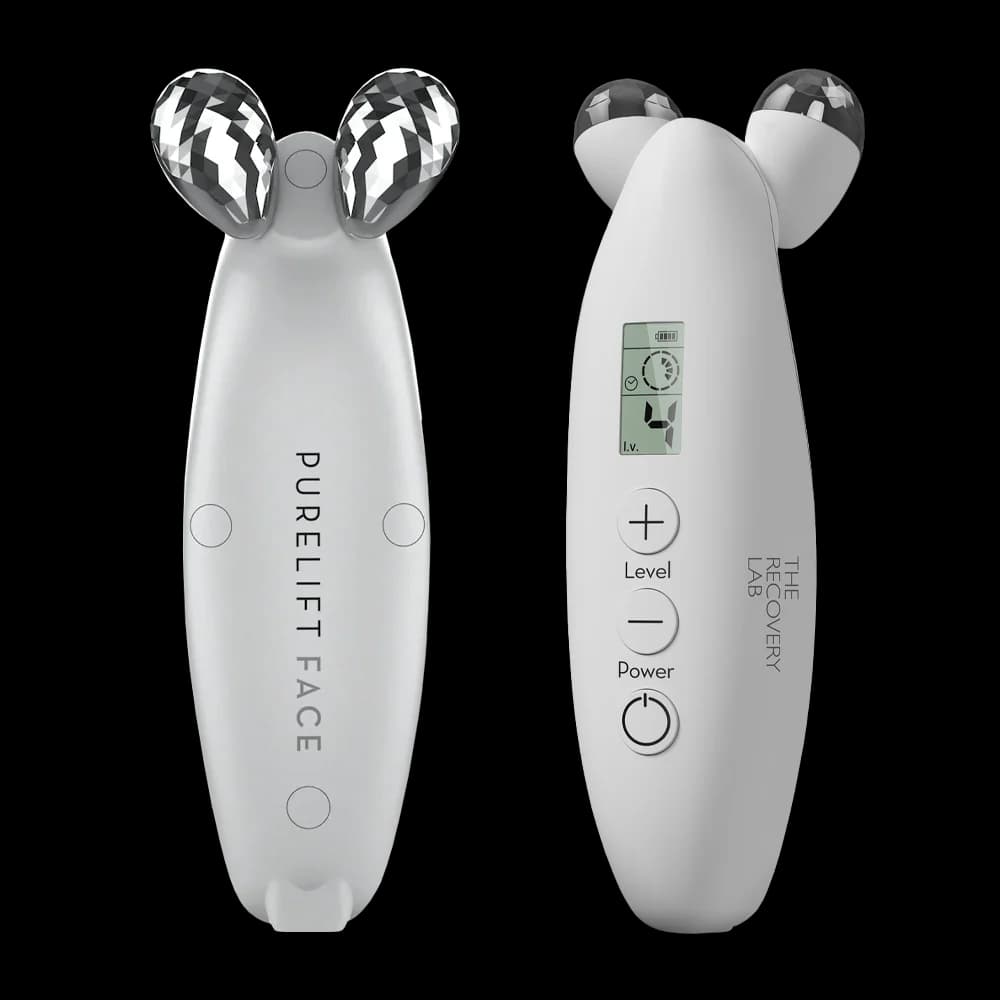
PureLift Face
Entry-level facial EMS for daily routine and structural support
Best For
Users new to facial EMS who want an accessible entry into professional-grade facial training
Not sure which is right for you?

Stop buying lift from devices that cannot lift.
PureLift is designed for users who want real EMS power, controlled delivery, and results.
Find Your Device
Take the 90-Second QuizFDA-Cleared
Class II
Made in Japan
Premium
Secure Checkout
Global Ship
Frequently Asked Questions
Clear answers about EMS technology, device comparison, and what to expect.